

The next step for cellular technology, 6G, is upon us. There are many promises that the technology brings with it, and it's a bit of a mystery if they will all really come true. When 5G came to the world in 2019, expectations were not met on many levels, and to this day there are still innovations being made to 5G, proving that there may have been too much excitement. Whether 6G will be the same way is something that is hard for anybody to predict. However, there is some solid information on what is hopefully going to be coming to the next generation of cellular connection.
Planned to release in 2030, approximately a decade after 5G, the main tech advancements reportedly associated with 6G are upload speeds, and more interestingly and notably, a type of "sensing" that will be able to detect the position of cars, devices, and basically anything else that uses radio frequency signals through wireless internet.
To further explain, this new technology will be able to "sense" objects, allowed through network base stations, which will come from networks scattered around. The technology is known as Integrated Sensing and Communication, or ISAC. Using ISAC, the base stations will make it much easier to analyze traffic patterns, among many other things. Even detecting drones, like the ones that mysteriously flew over New Jersey, could be easily pinned down with an added advantage over using radar. However, there are some security concerns with this new technology. For example, powering-off your phone will get you off the internet and communication services, but does not mean you will be disconnected from base stations, as they can sense very specific signals.
Obviously, there will also be a great amount of AI implementation coming to 6G. On top of the device sensing that was mentioned, AI could be incorporated into this tech, allowing information from the digital world to merge into the real world, known as physical AI. What's more, similar to how T-Mobile now offers real-time language translation, 6G tech could allow many more AI features built right into the cellular network. This means that data centers, the 6G network, and our devices would be connected, making it so that any information that we wanted would be basically built into our devices. 6G could do away with the 5 to 10 second wait time when asking ChatGPT a question, as network providers would be able to have the information processed and near the individual to make AI seem instant.
Interestingly, John Smee, the Vice President of Engineering at Qualcomm, says that their company will attend throughout the 2028 Los Angeles Summer Olympics to showcase new 6G tech. The Olympics is obviously a very large, international event, so having the world stage is a perfect opportunity to get the globe excited about new tech. However, it might seem a bit ironic that a sports-based event would be heavily influenced by a tech company.
Many feel that the slow transition to 6G in a few years and the phasing-out of 5G is similar to the upgrade from 3G to 4G. While there were some advancements during the 3G era, ultimately the world was waiting for what was to come with the next-gen tech of 4G. While it's not certain, it could very well be a similar transition where everyone forgets about 5G, and 6G tech really ushers in a new era of network connectivity.
Sources
Enjoyed this piece? Support the author and share it.
More Stories
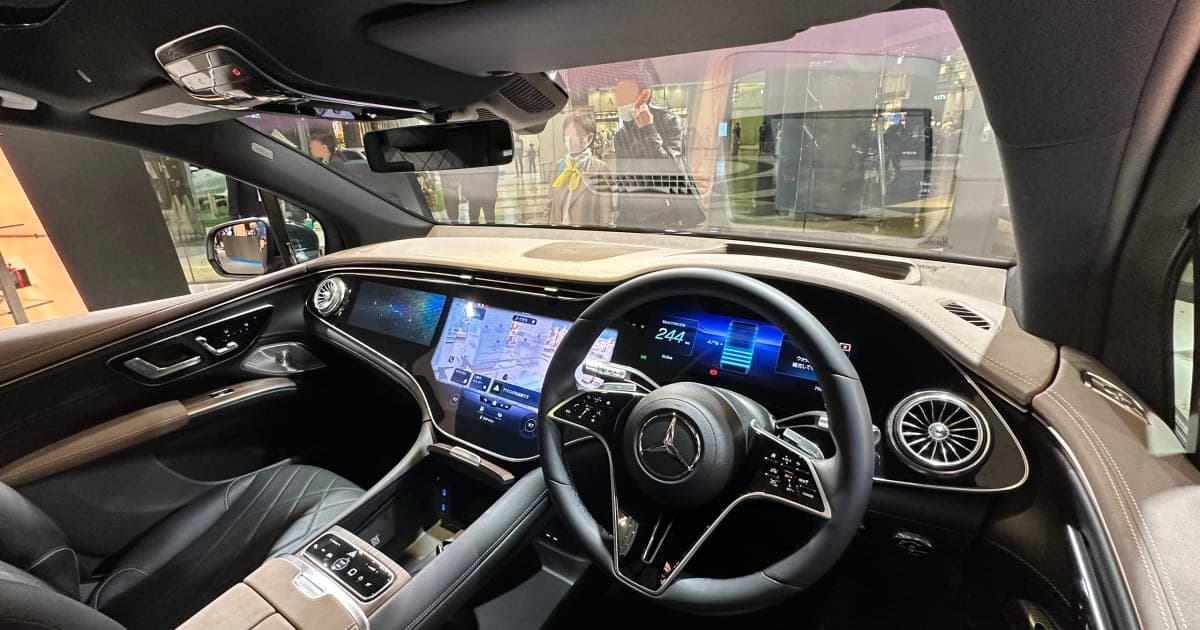
The Tech Revolution Meets the Cars of Today
In our rapidly advancing digital and technological world, one area that has seen a massive shift in terms of design is c...
By Stavro Kakouras

YouTube Shorts AI Remixing Tools: Effects on Creators and Content Creation
Lately, YouTube has begun experimenting with AI-powered remixing tools for one of its most popular content formats: Shor...
By Praneel Alagi

The Extended Partnership Between Dell AI and McLaren Racing
In a sport as competitive as F1, driving skills cannot stand alone; the use of advanced technologies is a major driving ...
By Stavro Kakouras